Follow Me On Social Media!

Turkish Rice Pilaf: Irresistibly Flavorful Comfort in Minutes

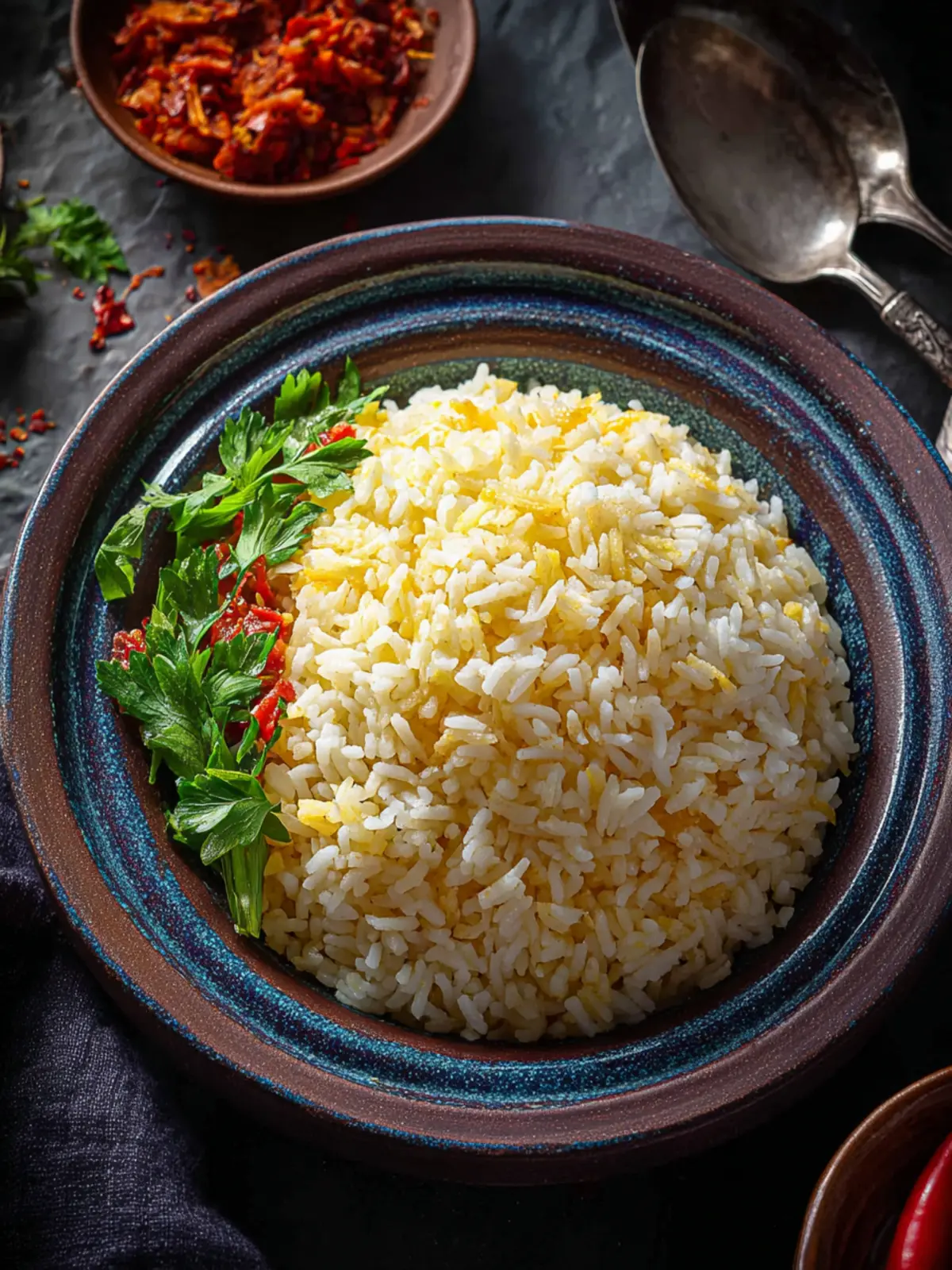
Introduction to Turkish Rice Pilaf
Turkish rice pilaf is a delightful dish that transports your taste buds straight to the heart of Turkey with every fluffy, aromatic bite. This dish is more than just a side—it’s an experience, often served at family gatherings and festive occasions, where it holds a special place on the dining table. The beautiful harmony of textures and subtle flavors makes it a versatile companion for a variety of main courses, showcasing the essence of Turkish cuisine in a single bowl.
What makes Turkish rice pilaf so special?
The magic of Turkish rice pilaf lies in its unique cooking method and high-quality ingredients. Here are some elements that elevate it to a culinary masterpiece:
-
Aromatic Rice: The choice of long-grain rice, often basmati or Jasmine, is fundamental. Its ability to absorb flavors while maintaining a perfect texture keeps this dish light and fluffy.
-
Perfectly Toasted: Toasting the rice in butter or oil before adding liquid enhances the flavor profile. This technique is often the secret behind achieving that subtle nuttiness that distinguishes Turkish pilaf from others.
-
Flavorful Broth: The use of broth instead of plain water allows the rice to soak up a rich depth of flavor. Whether it’s chicken, vegetable, or lamb broth, the richness infuses the grains with an irresistible taste.
-
Additional Ingredients: Often, you’ll find the addition of spices like cinnamon and a sprinkle of pepper, alongside elements like caramelized onions and fresh herbs that enhance the color and flavor. These components not only taste great but also add a beautiful aroma that wafts through the kitchen.
-
Cultural Heritage: Closely tied to Turkish hospitality, rice pilaf is typically served alongside meats, vegetables, or legumes, making it a flexible dish that complements various diets and themes.
In essence, Turkish rice pilaf is a dish that brings people together, offering warmth and flavor that can transform any ordinary meal into a special occasion. So, whether you’re enjoying a quiet dinner at home or hosting friends, this pilaf is sure to impress!
Key Ingredients for Turkish Rice Pilaf
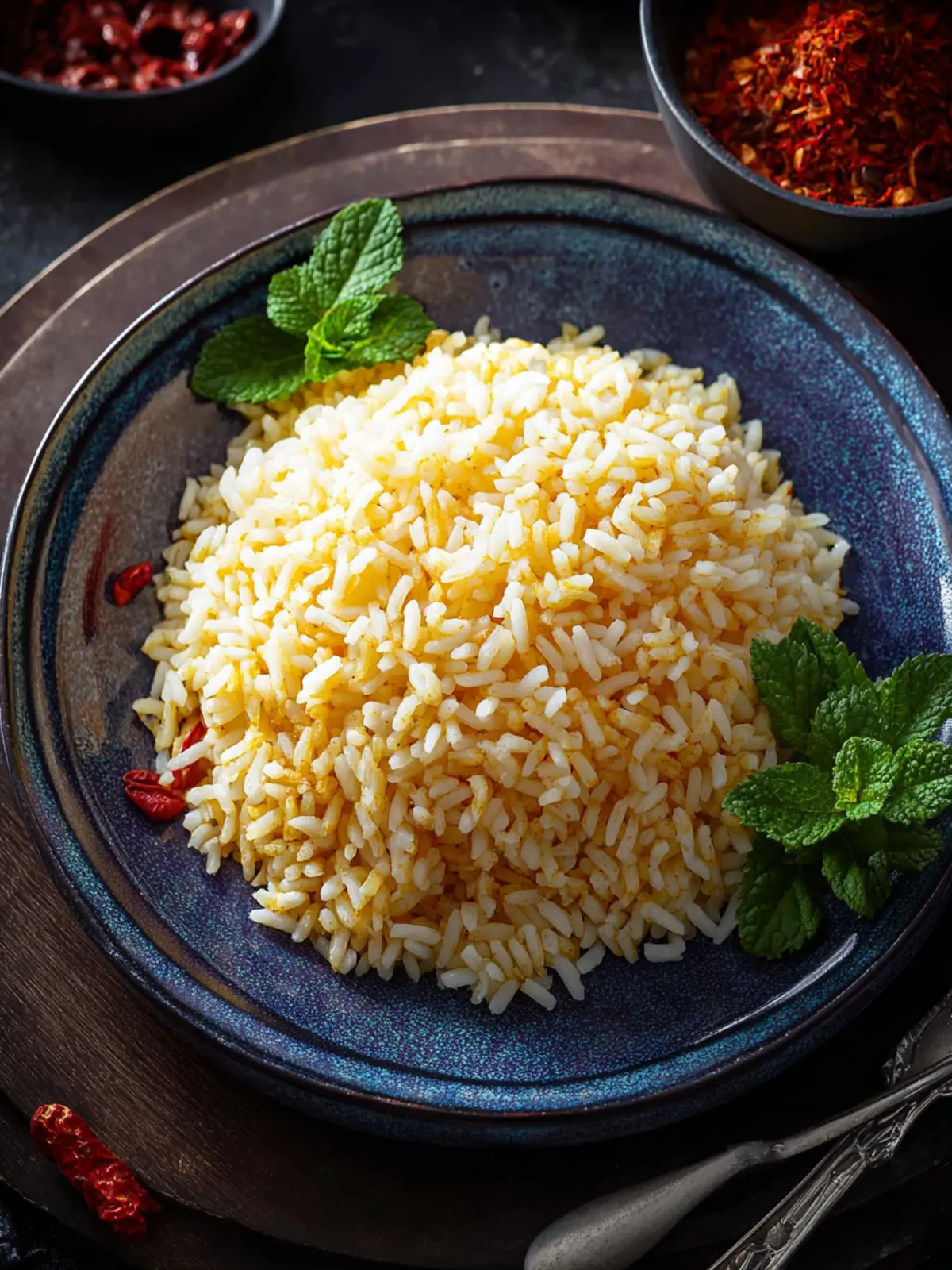
Turkish rice pilaf is a comforting dish that brings a taste of the Mediterranean straight to your table. The ingredients you select will play a pivotal role in achieving that authentic flavor and texture that make this pilaf a household favorite.
-
Rice: Use long-grain rice, such as basmati or jasmine, for the best results. These varieties remain fluffy and separate after cooking, which is essential for a perfect pilaf. Rinse the rice thoroughly to remove excess starch, ensuring it cooks evenly.
-
Butter: Butter is crucial in this recipe, adding a rich, creamy flavor. Sauté the butter with diced onions to boost the flavor profile, creating a delicious base for the pilaf.
-
Pasta: A unique twist in Turkish rice pilaf is the addition of orzo or vermicelli. Lightly toast the pasta in butter before adding rice for added depth and a slight crunch.
-
Broth: Using chicken or vegetable broth enhances the flavor. Homemade broth is ideal, but store-bought works in a pinch.
-
Spices: Simple spices such as salt and black pepper, combined with a pinch of cinnamon, elevate the dish. Cinnamon adds warmth without overpowering, harking back to traditional Turkish flavors.
Each ingredient is a building block in making your Turkish rice pilaf truly special. With these key components, you’ll be well on your way to serving a delightful and fragrant dish that is sure to impress.
Why You’ll Love This Recipe
Turkish rice pilaf is more than just a side dish; it’s a culinary experience that invites you to savor the rich tapestry of flavors inspired by centuries of tradition. Each bite transports you to bustling bazaars and sun-drenched terraces, where the aroma of spices dances in the air, making it a delightful addition to any meal.
-
Versatile Serving Options: Whether you’re hosting a dinner party or enjoying a cozy night in, turkish rice pilaf complements a wide array of main dishes—from grilled meats to roasted vegetables. Its mild flavor profile enhances rather than overwhelms.
-
Simple yet Flavorful: This recipe takes minimal time and ingredients, making it accessible for busy young professionals. With a few pantry staples like rice, onions, and stock, you can create a dish that feels extravagant and comforting.
-
Culinary Confidence: Cooking this pilaf is an opportunity to refine your skills in the kitchen. The process of toasting the rice and sautéing the aromatics helps to elevate your overall cooking technique, setting the stage for future culinary adventures.
-
Nutritious and Filling: Packed with carbs and a medley of nutrients, this pilaf serves as a wholesome base for your meals, providing lasting energy and satisfaction.
Indulging in turkish rice pilaf promises not just a meal, but a journey into a beloved tradition. Dive in; your taste buds will thank you!
Tips for Making Perfect Turkish Rice Pilaf
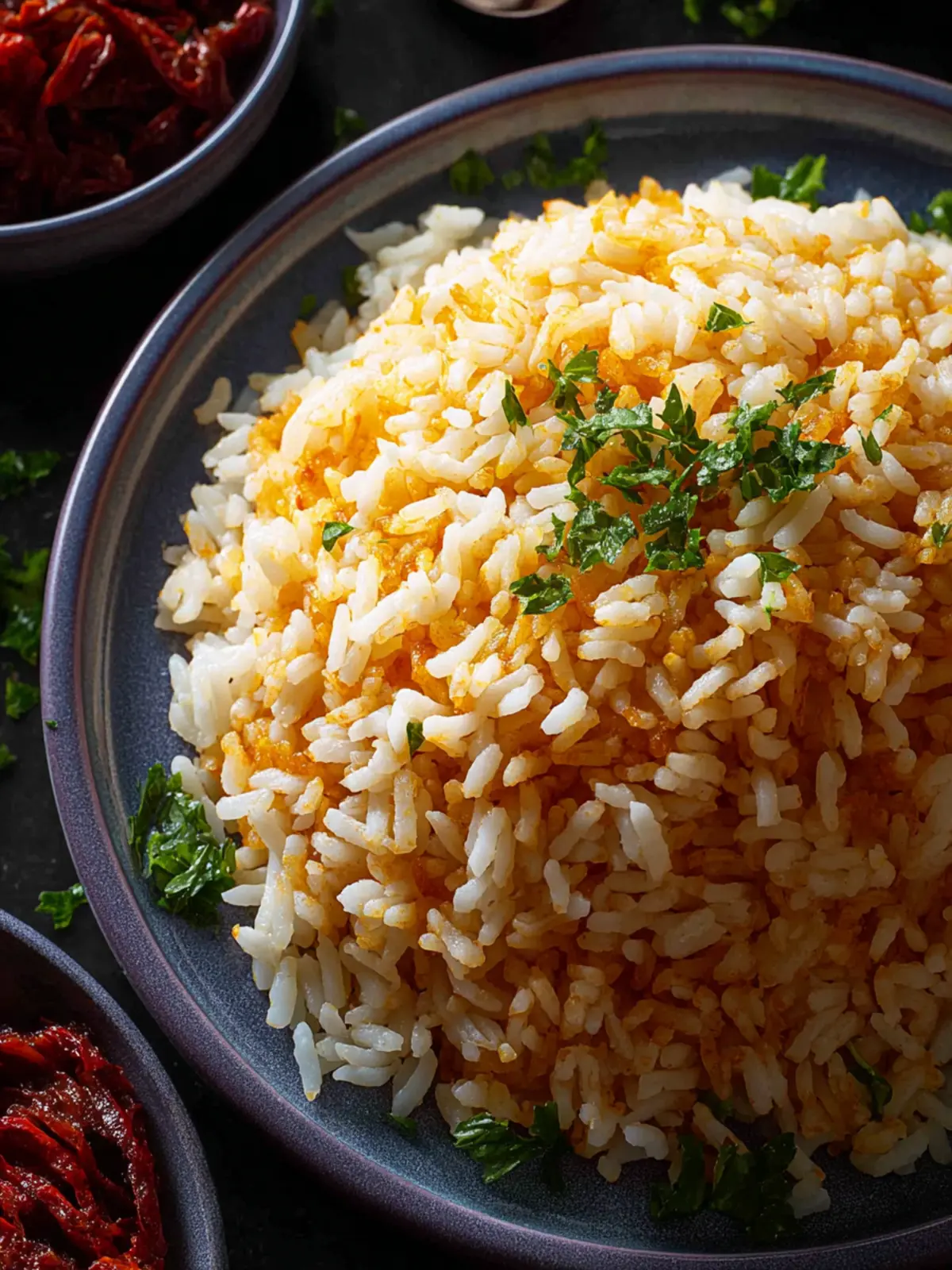
Crafting a delectable Turkish rice pilaf is about more than just following a recipe; it’s about embracing the tradition and heart of the dish. As you prepare to dive into this fragrant, fluffy delight, keep these valuable tips in mind to elevate your pilaf to perfection.
Use Quality Rice
The backbone of any Turkish rice pilaf is the rice itself. Opt for long-grain basmati or fine-grain Turkish rice for light, fluffy results. Rinse the rice under cold water until the water runs clear to remove excess starch, which helps keep each grain separate after cooking.
Sauté for Flavor
Begin by sautéing your rice in a bit of olive oil or butter until it’s lightly toasted. This not only enhances the flavor but also creates a beautiful nutty aroma. Don’t rush this step; it sets the foundation for your pilaf.
Invest Time in Soaking
Soaking your rice for at least 30 minutes before cooking can significantly improve texture. It allows the rice to absorb water and cook evenly, resulting in a tender, fluffy pilaf.
Patience is Key
Avoid lifting the lid during the cooking process. Similar to making risotto, allowing it to steam undisturbed ensures the rice will be perfectly cooked without becoming mushy.
Zest and Flavors
Consider adding aromatics such as onion and garlic or spices like cinnamon and cardamom for layers of flavor. A sprinkle of fresh herbs just before serving can add brightness and freshness, celebrating the essence of Turkish rice pilaf.
By applying these simple tips, you’ll not only master the art of making Turkish rice pilaf, but you’ll also create a memorable dining experience for yourself and your guests. Enjoy the process, and let each grain tell its own story!
Serving Suggestions for Turkish Rice Pilaf
Embracing the rich traditions of Turkish cuisine, Turkish rice pilaf serves as an outstanding base for a variety of delectable dishes. This versatile dish can elevate your mealtime experience with thoughtfully curated accompaniments.
Pair with Protein
- Grilled Chicken or Lamb: A classic combination! The smoky flavors of grilled meats complement the delicate texture of the pilaf beautifully.
- Roasted Vegetables: Let’s not forget about the vibrant colors and flavors that roasted seasonal vegetables bring. Think eggplants, bell peppers, and zucchini for a nutritious twist.
Add a Fresh Salad
- Cucumber and Tomato Salad: This refreshing salad, tossed with olive oil and a squeeze of lemon, balances the richness of the pilaf and adds a lovely crunch.
- Herbed Yogurt Dip: A side of herbed yogurt is perfect for those who enjoy a creamy counterbalance to their pilaf. Mixing in some dill and garlic can elevate the flavors.
With these serving suggestions, your Turkish rice pilaf can be part of a satisfying and delicious meal that captures the essence of Turkish hospitality. Enjoy experimenting with these ideas!
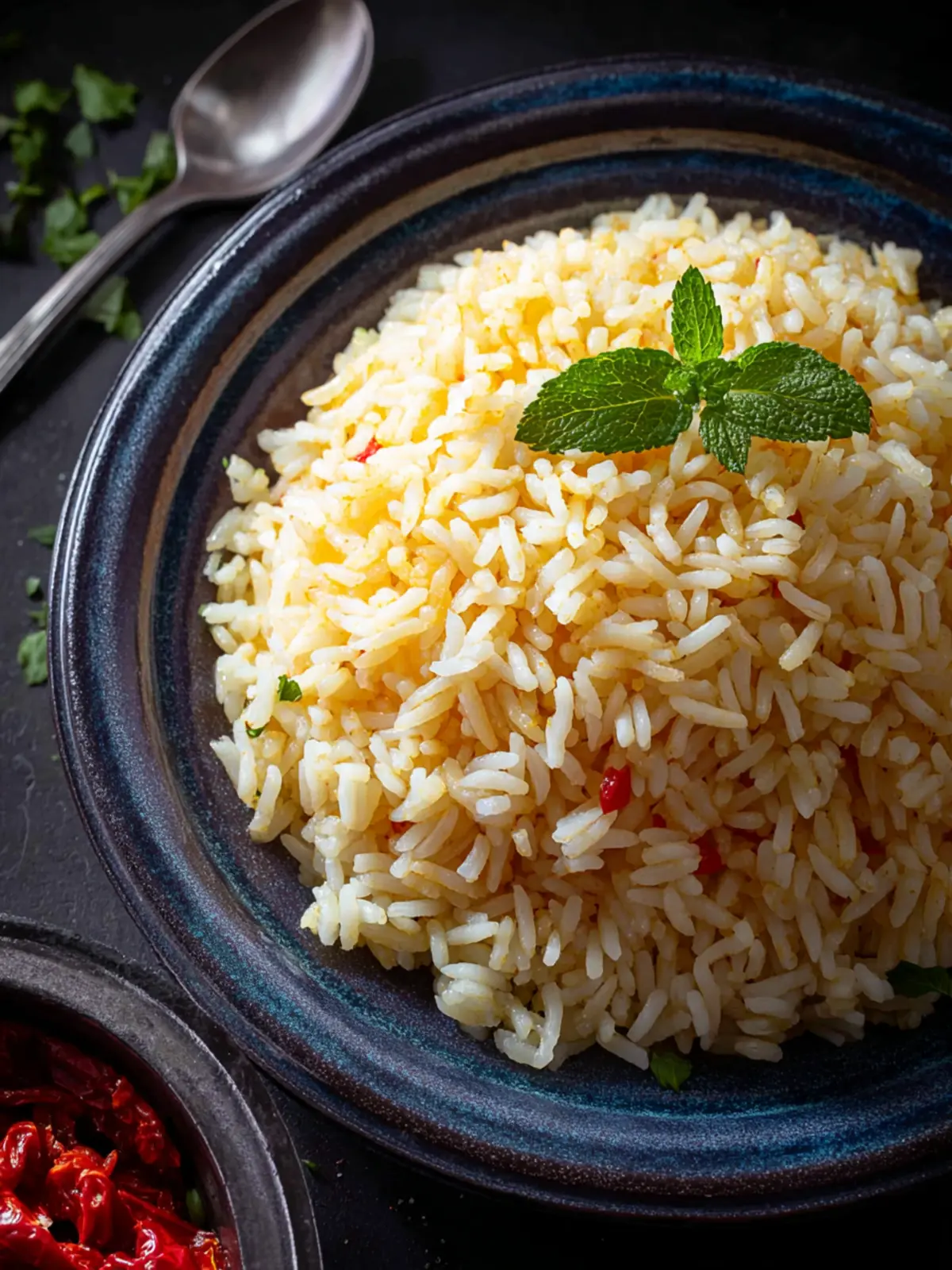
Time Breakdown for Turkish Rice Pilaf
Creating a delicious Turkish Rice Pilaf is not only a culinary adventure but also a time-efficient way to enhance any meal. Here’s how to allocate your time:
Preparation Time
Start with about 10 minutes for prep. This includes measuring out your ingredients, rinsing the rice, and chopping onions. It’s a quick process, and before you know it, you’ll be all set to cook.
Cooking Time
Once you’ve prepped everything, cooking takes about 20 minutes. This is when the magic happens, with the rice absorbing flavors and becoming fluffy and tender.
Total Time
In total, you’ll spend around 30 minutes from start to finish. In less than half an hour, you can serve a comforting and flavorful Turkish Rice Pilaf that’s perfect for any occasion!
Nutritional Facts for Turkish Rice Pilaf
When savoring a plate of Turkish Rice Pilaf, understanding its nutritional profile can enhance your culinary experience. This dish is not only comforting but also offers a balanced mix of essential nutrients.
Calories
A typical serving of Turkish Rice Pilaf contains approximately 220 calories. This makes it a delicious, moderate option for a satisfying meal without going overboard.
Carbohydrates
Carbohydrates are the star of the show here, contributing about 45 grams per serving. This makes the pilaf an excellent source of energy, perfect for a busy day or an active lifestyle.
Protein
You can expect around 4 grams of protein in each serving. While not a high-protein dish on its own, pairing it with proteins like chicken or legumes can create a well-rounded meal that keeps you fueled throughout the day.
FAQs about Turkish Rice Pilaf
Turkish rice pilaf is a culinary gem that adds a delightful touch to any meal, bringing a warm, comforting option for weeknight dinners or festive gatherings. Whether you’re trying to impress guests or simply treat yourself, having a few questions answered can make your cooking experience even more enjoyable.
Can I add vegetables or proteins to this pilaf?
Absolutely! Turkish rice pilaf serves as a fantastic base for customization. Consider adding sautéed vegetables like carrots, bell peppers, or peas for a nutritious boost. If you’d like to make it heartier, incorporating proteins such as chicken, lamb, or chickpeas can transform it into a complete meal. Just be sure to adjust your cooking time accordingly, ensuring everything is cooked through but still tender.
How do I store leftovers of Turkish rice pilaf?
Storing leftover Turkish rice pilaf is simple. Allow the pilaf to cool down to room temperature, then transfer it to an airtight container. Refrigerate for up to three to four days. If you want to preserve it longer, consider freezing it in portion-sized containers. Just remember that the texture may change slightly after freezing.
What’s the best way to reheat pilaf?
Reheating your Turkish rice pilaf can be done in several ways. The stovetop method is my favorite: add a splash of water or broth to the pilaf in a pan over medium heat, and stir occasionally until warmed through. You can also use the microwave—cover the rice with a damp paper towel to retain moisture, then heat in short intervals until hot. Enjoy your delicious leftovers just as much as the first time!
Conclusion on Turkish Rice Pilaf
In a world of culinary delights, Turkish rice pilaf holds a special place, weaving together flavor and tradition in a delightful way. As you wrap up your cooking adventure, remember that the magic lies in the simple yet aromatic ingredients. Whether you serve it as a side or a main dish, you’re inviting your friends and family into a slice of Turkish culture. With its fluffy rice and rich flavors, this dish truly is a celebration on a plate. Don’t hesitate to experiment with add-ins like vegetables or nuts to personalize your pilaf. Once you’ve perfected your recipe, enjoy every savory bite you’ve created!
Print
Perfect Rice Recipe
- Total Time: 30 minutes
- Yield: 4 servings 1x
- Diet: Gluten-Free
Description
This recipe provides a simple method to make perfectly cooked rice, ensuring each grain is separate and flavorful.
Ingredients
Scale
- 300 grams rice (Ideally Baldo rice, but use any long grain white rice if you can’t find it.)
- 2 tablespoons olive oil
- 25 grams butter
- 375 ml boiling water
- 1 teaspoon salt
Instructions
- Rinse the rice in a sieve under running water until the water runs clear. Drain well.
- Heat a wide pan over medium heat (stainless steel or non-stick both work). Add the olive oil, then add the rice. Cook for about 5 minutes, stirring often. At first, the rice will look white and may stick together.
- If you’re using a stainless steel pan, the rice may also stick lightly to the bottom. Don’t scrape it. Wait a little and stir again — it will release as it heats up and the grains will start separating.
- By the end, the rice should look slightly glossy and the grains should be separate. There should be no browning.
- Reduce the heat to low and add the butter. Stir until it melts.
- Carefully pour in the hot water, add the salt, and give it a gentle stir. Since the water is already hot, it will begin simmering quickly. Cover the pan and cook on the lowest heat for 5 minutes.
- After 5 minutes, open the lid and very gently stir. Try not to mash the grains. Cover and cook for another 5 minutes on low heat.
- The rice should have absorbed all the water. If there is still water, continue cooking on low heat. If the water is absorbed but the rice is still too firm, add 1–2 tablespoons of hot water and continue cooking on low until fully absorbed.
- Remove the pan from the heat. Gently stir the rice again, cover loosely (leave the lid slightly ajar), and let it rest for 10 minutes.
- Before serving, gently lift and fluff the rice from bottom to top. Serve warm.
Notes
- Use a fine sieve for rinsing the rice effectively.
- Ensure the water is boiling before adding it to the rice.
- Letting the rice rest is crucial for texture.
- Prep Time: 10 minutes
- Cook Time: 20 minutes
- Category: Side Dishes
- Method: Stovetop
- Cuisine: Italian
Nutrition
- Serving Size: 1 cup
- Calories: 350
- Sugar: 0 g
- Sodium: 1 mg
- Fat: 14 g
- Saturated Fat: 5 g
- Unsaturated Fat: 7 g
- Trans Fat: 0 g
- Carbohydrates: 50 g
- Fiber: 1 g
- Protein: 6 g
- Cholesterol: 15 mg